

LET'S PLAYThe time
has come
Rankings





The clubs
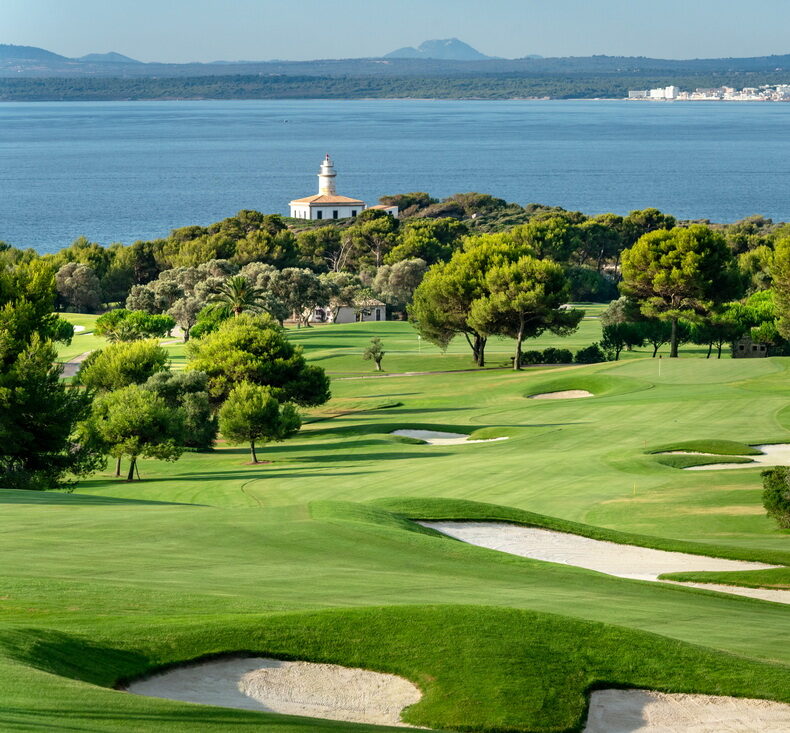

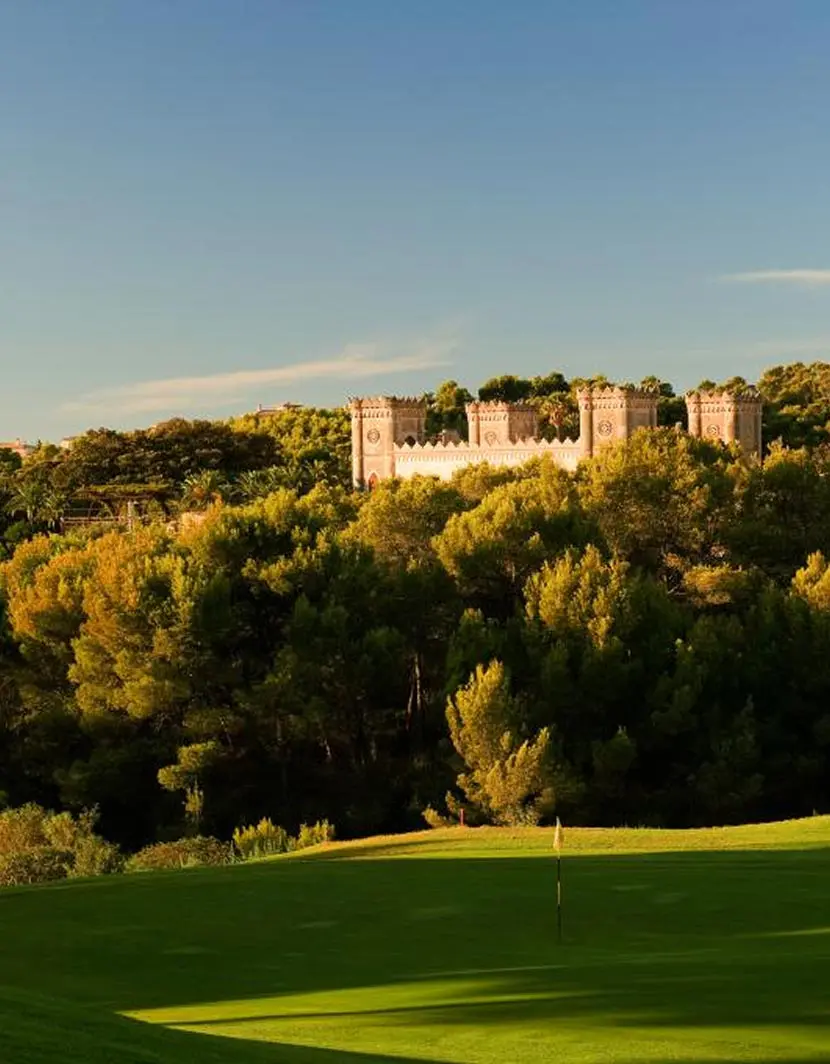
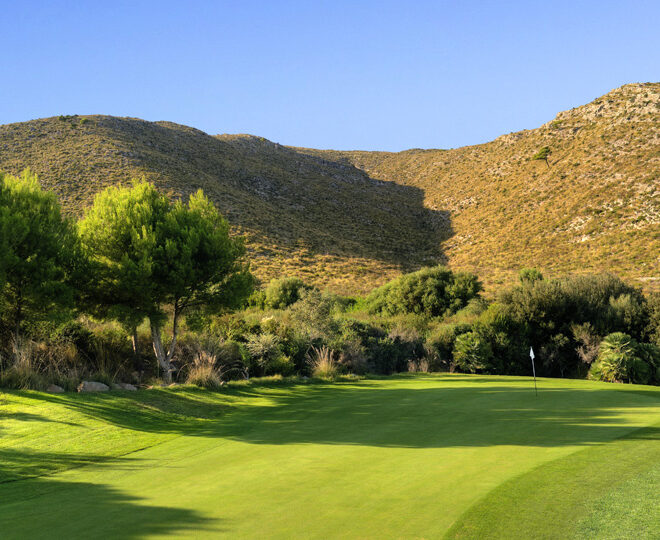

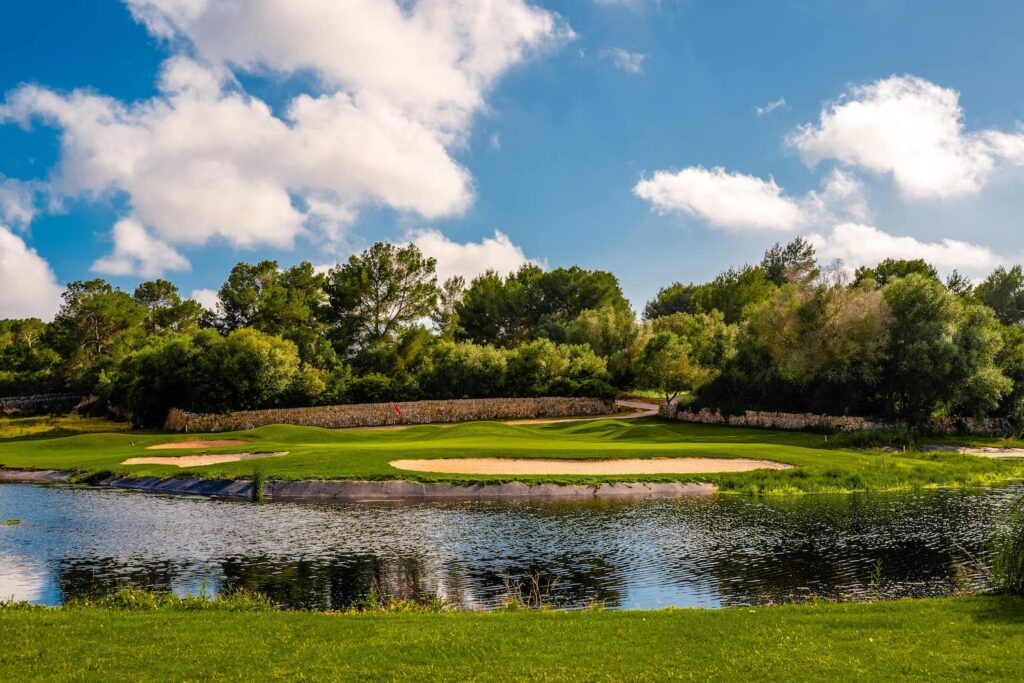
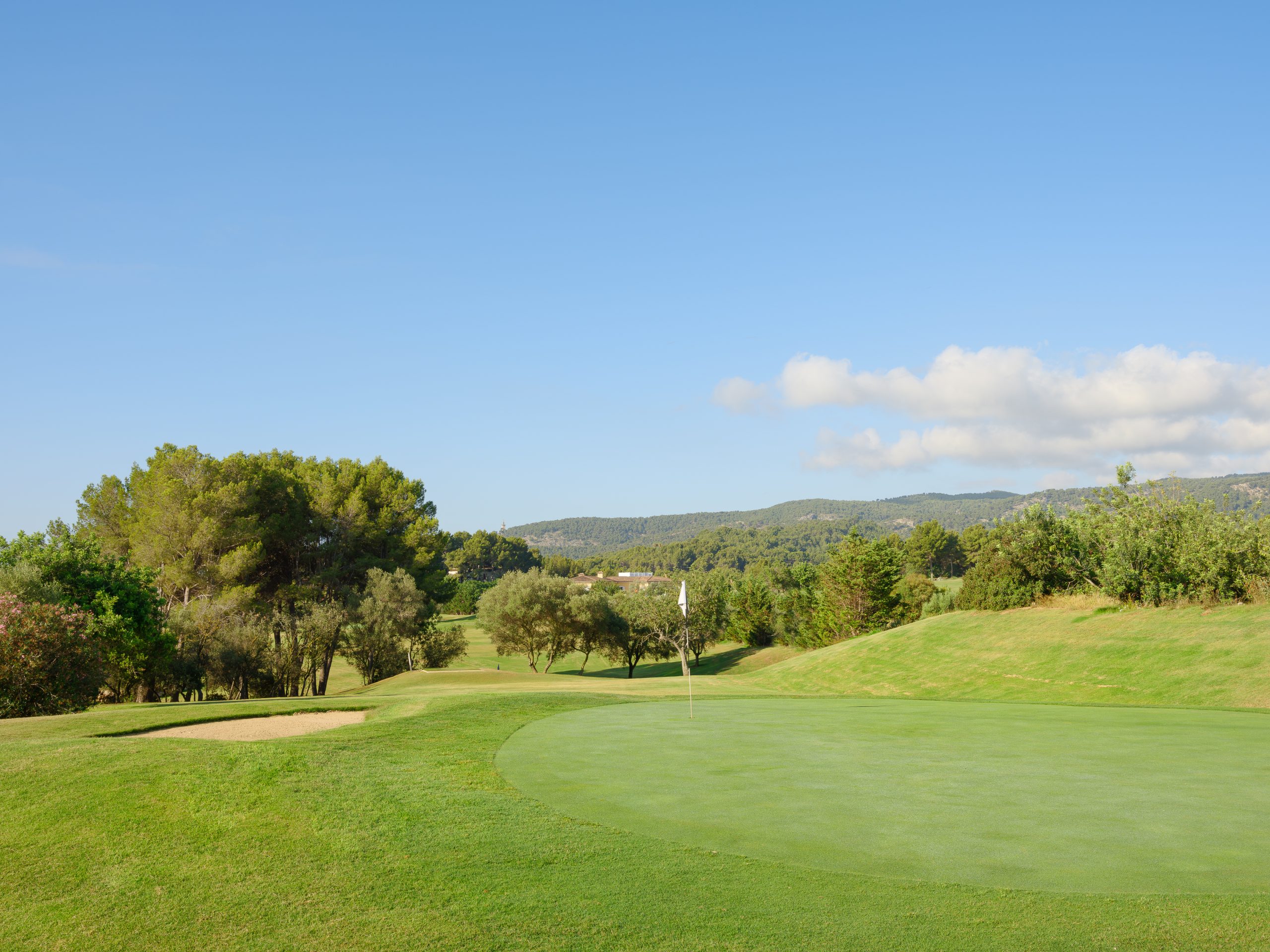



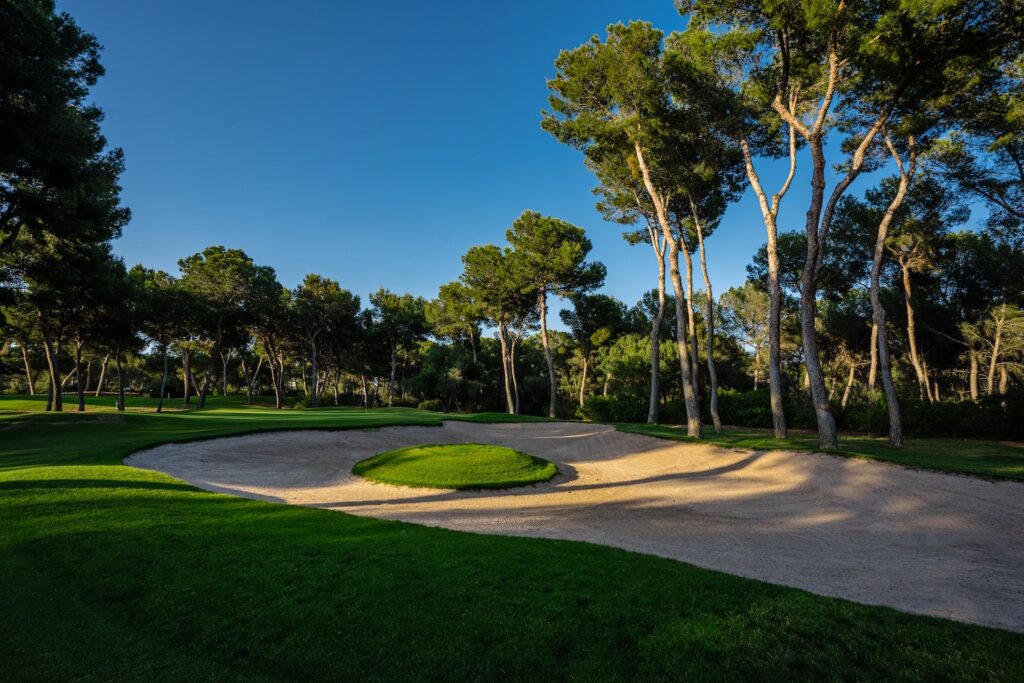
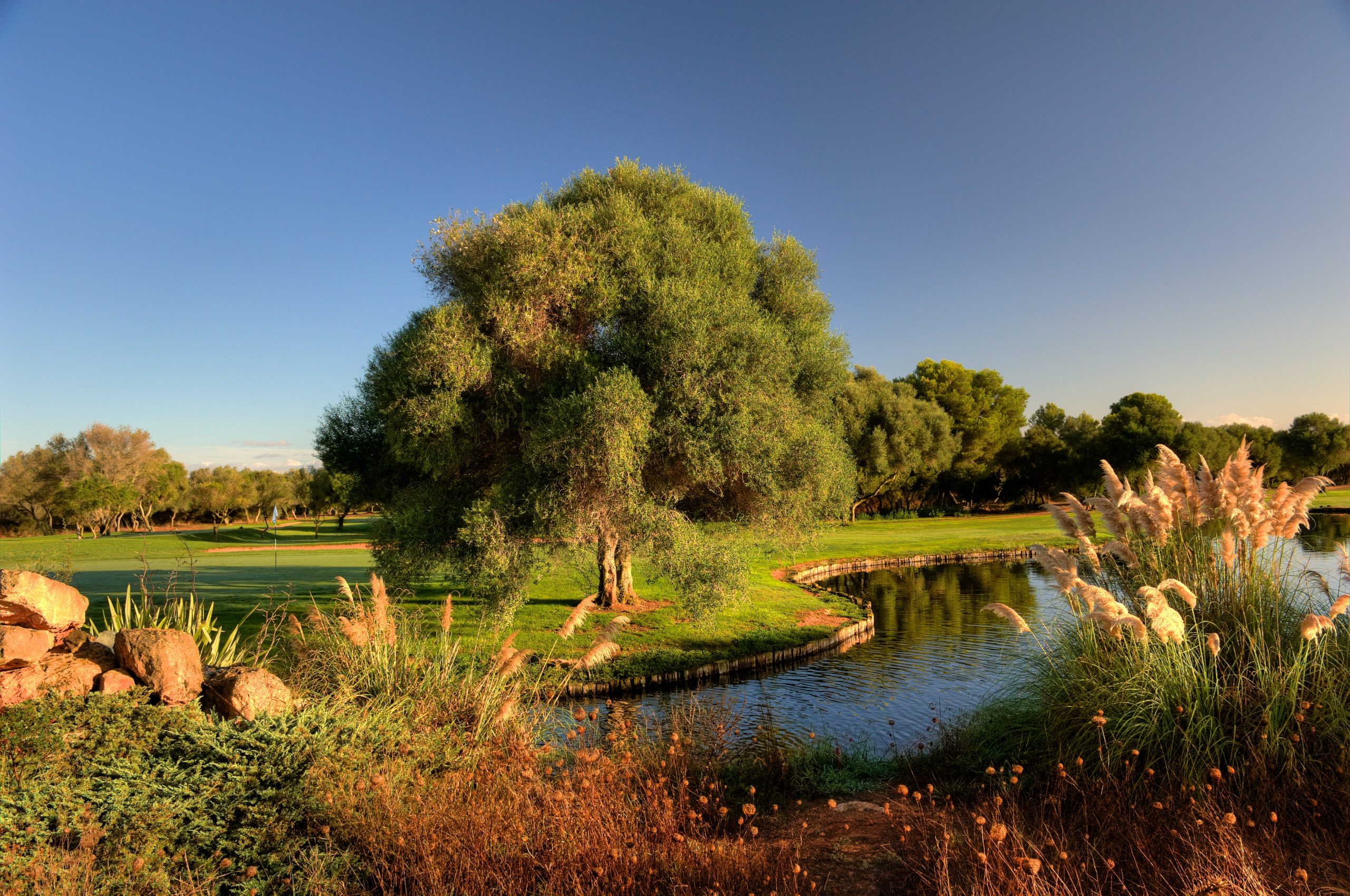
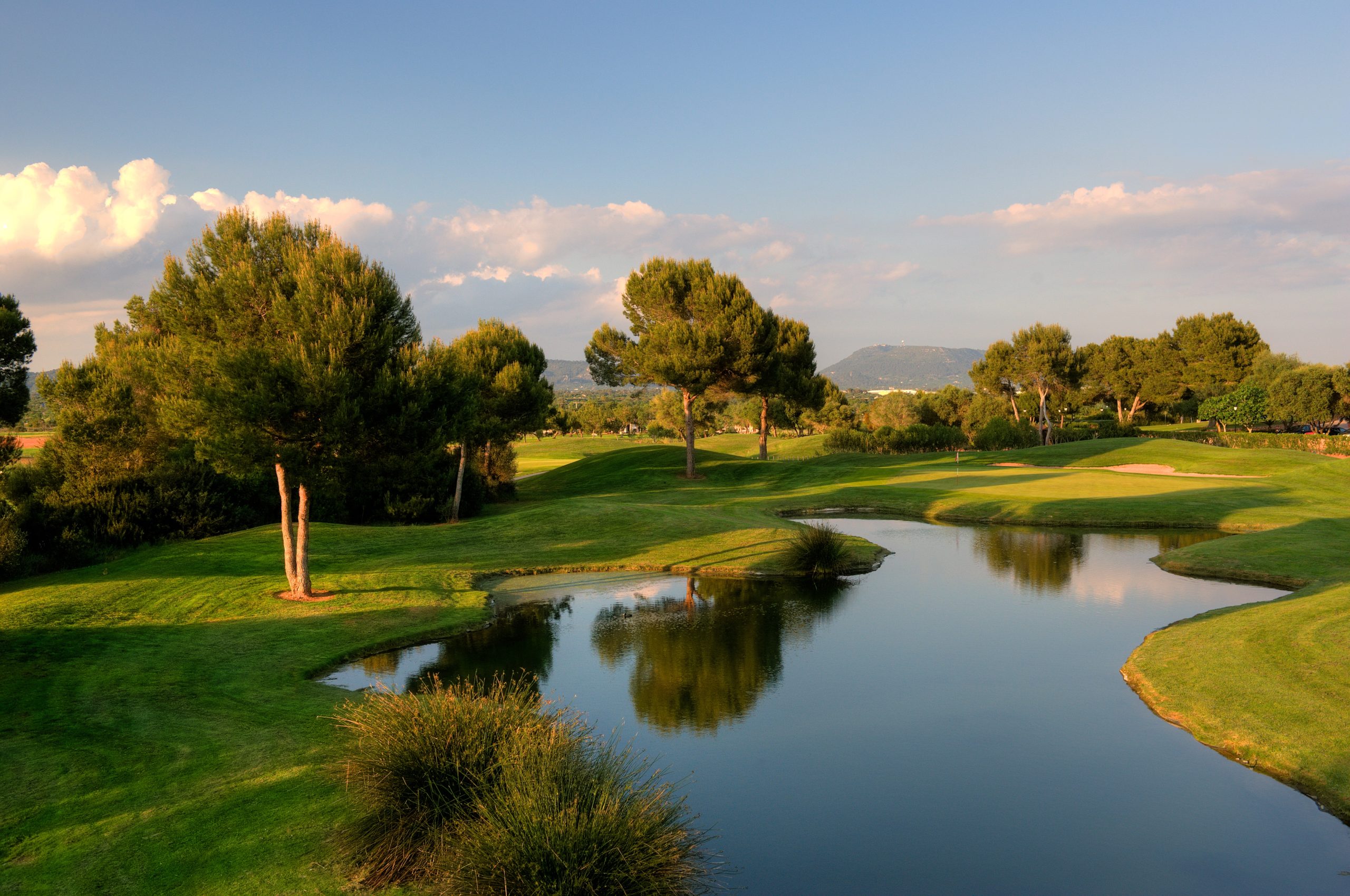
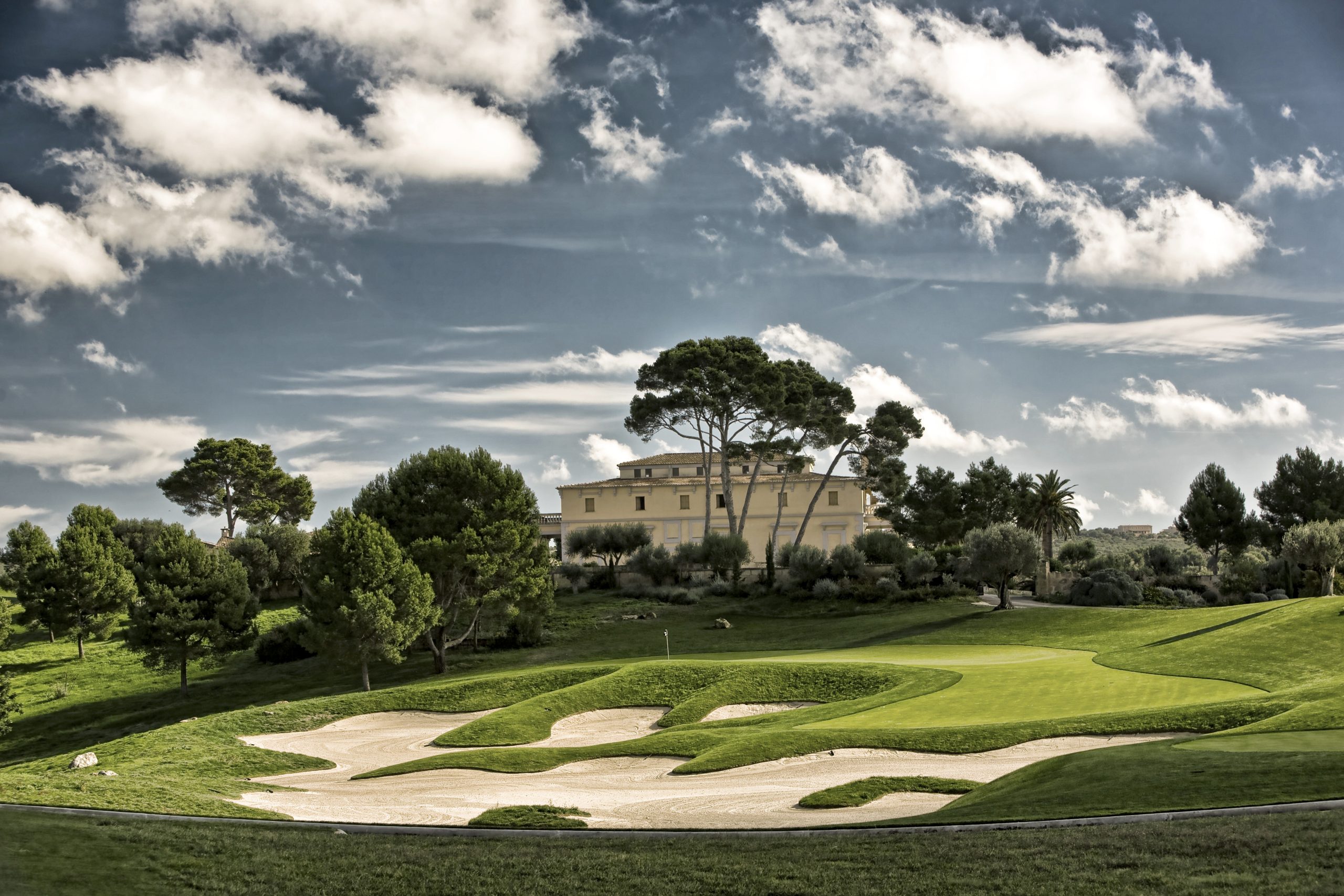

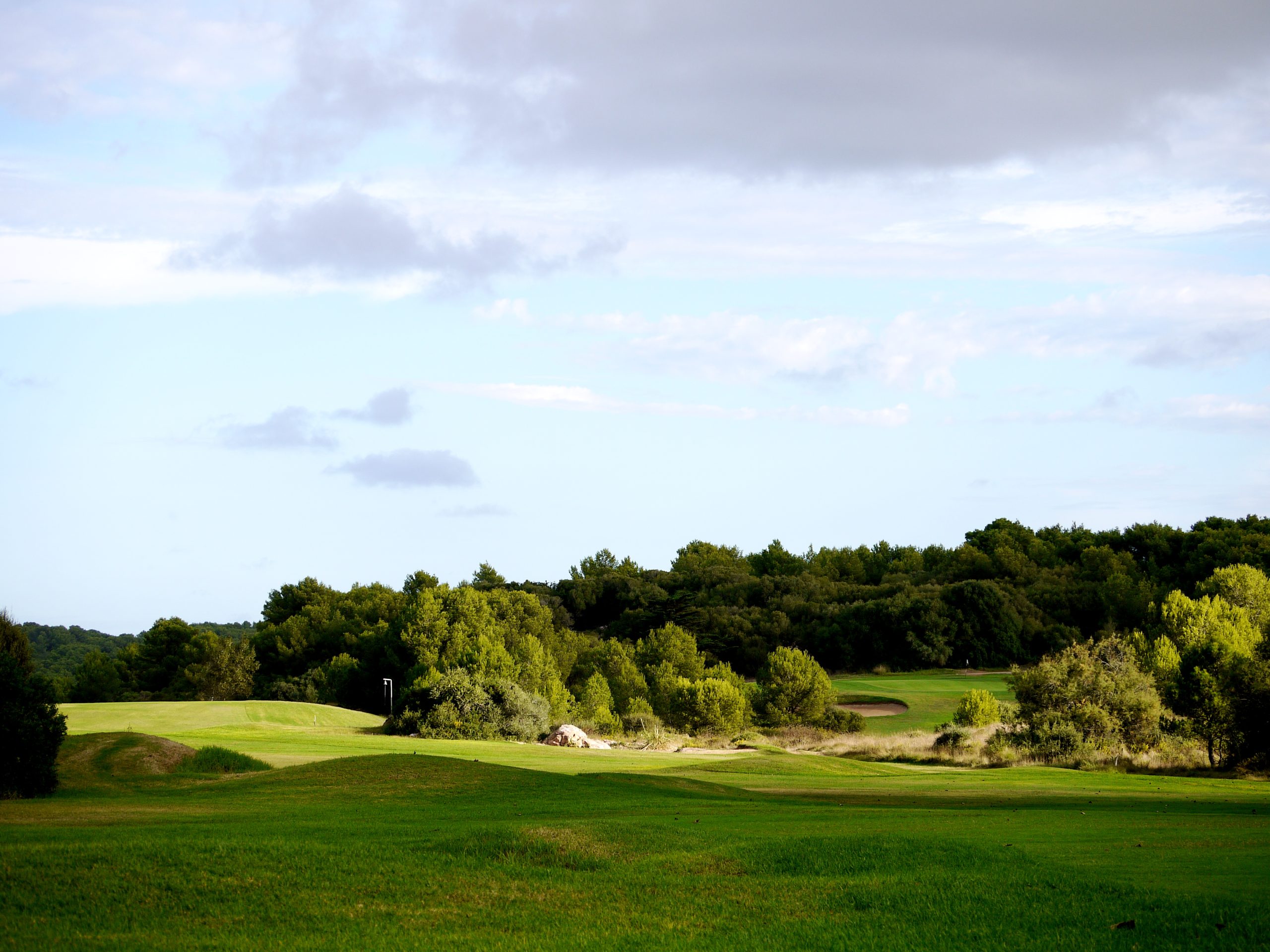
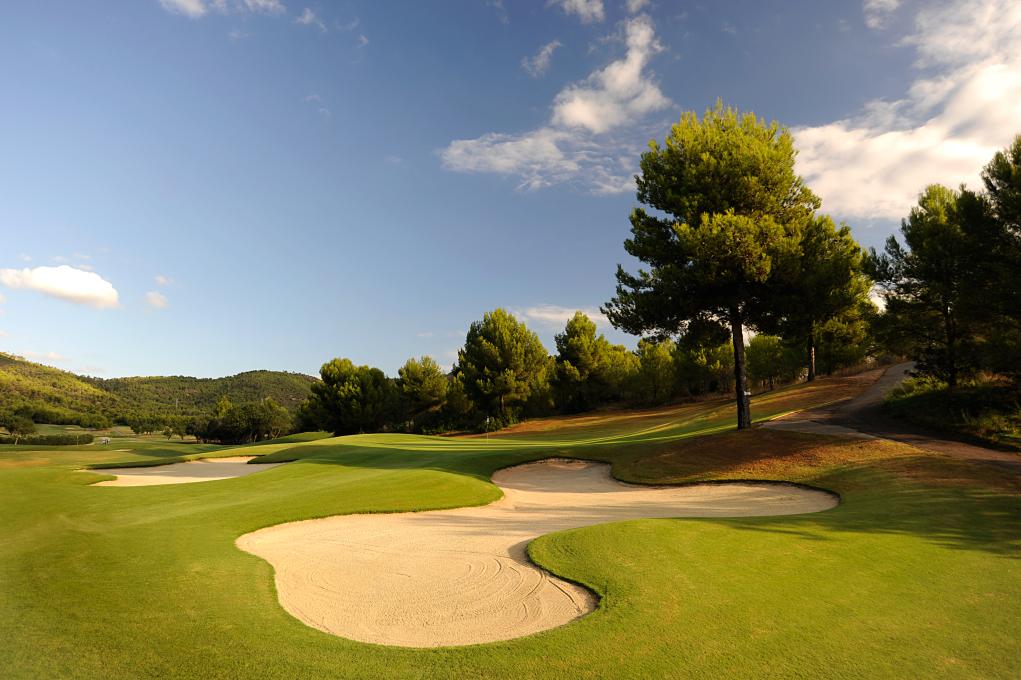

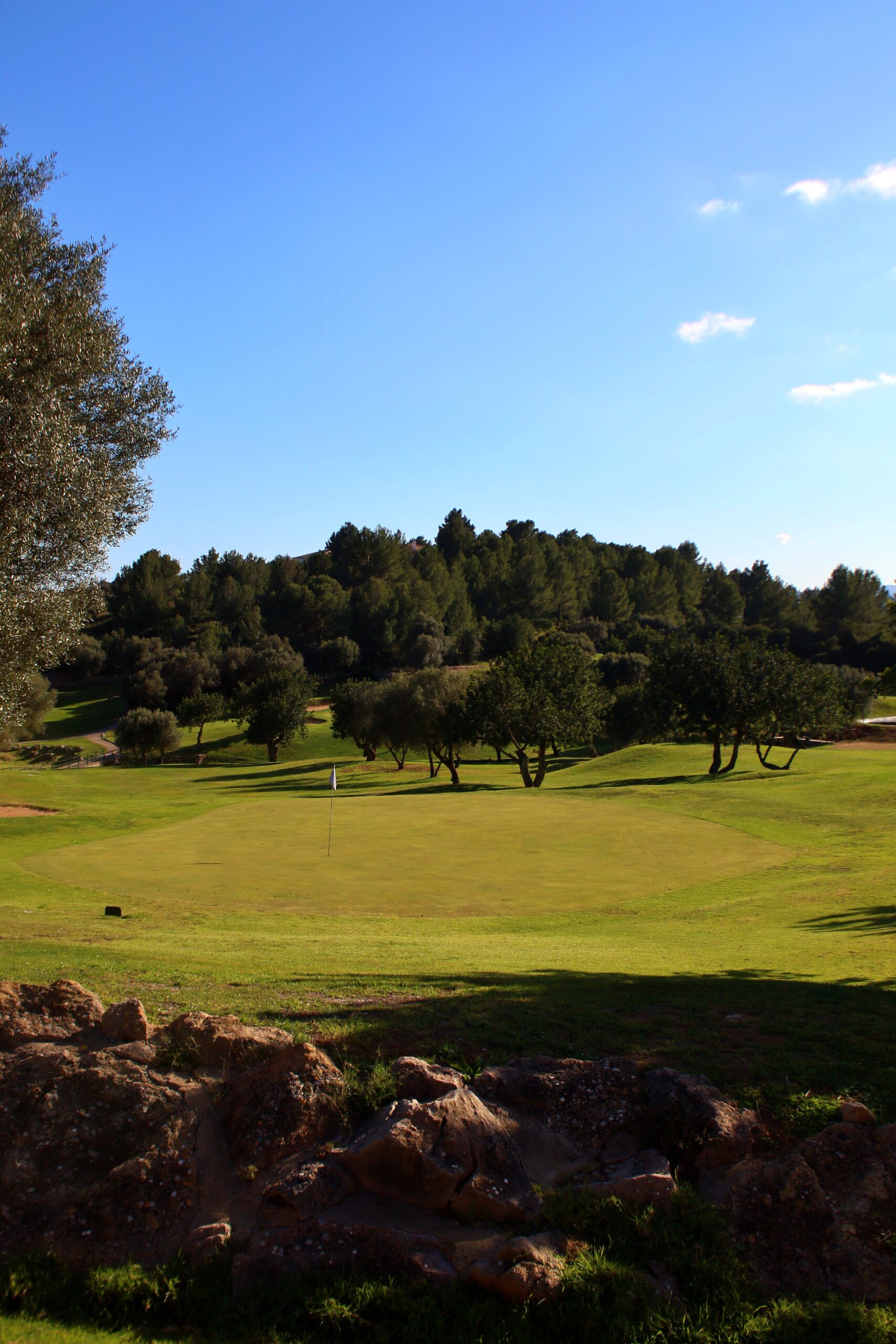
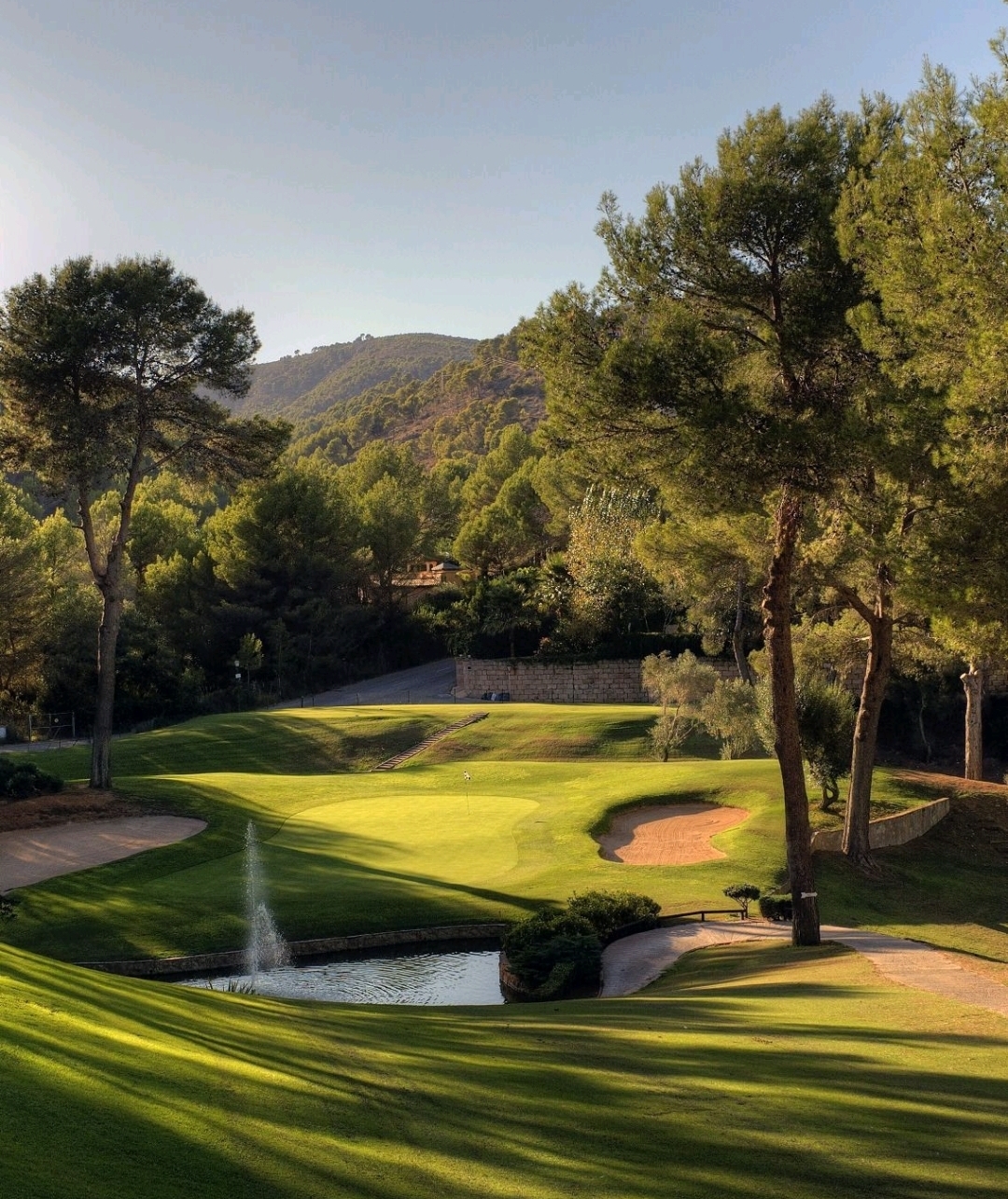
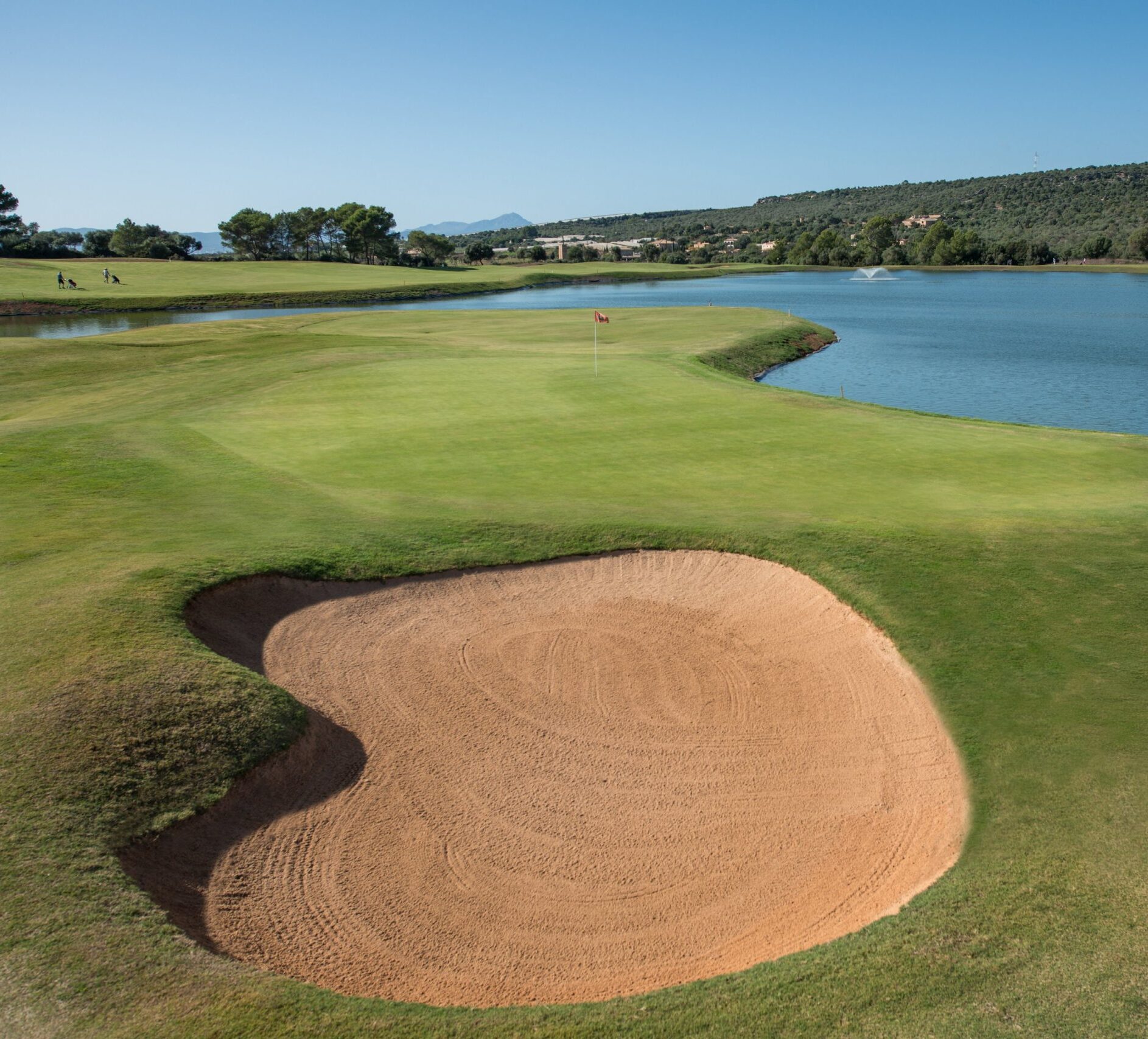
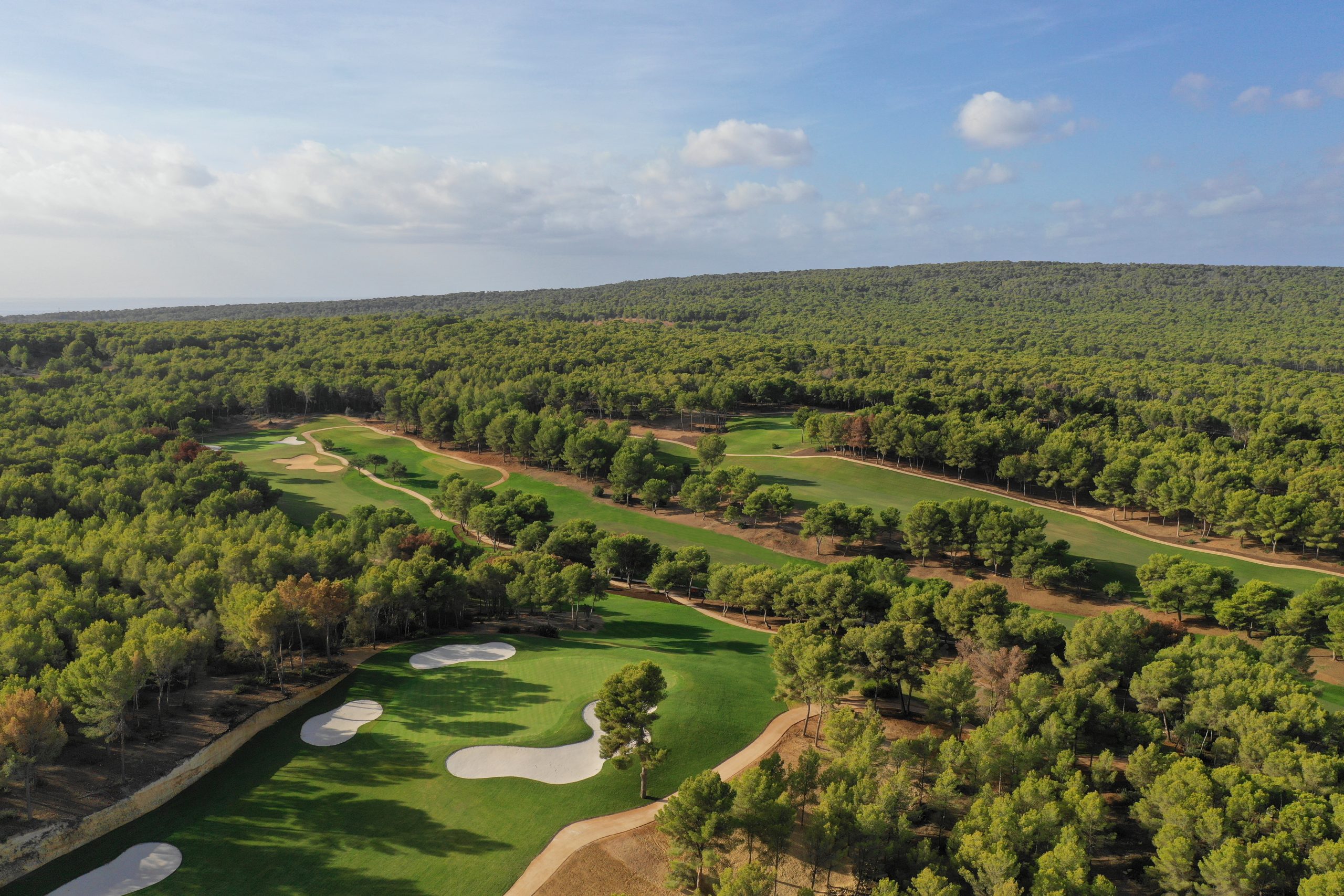
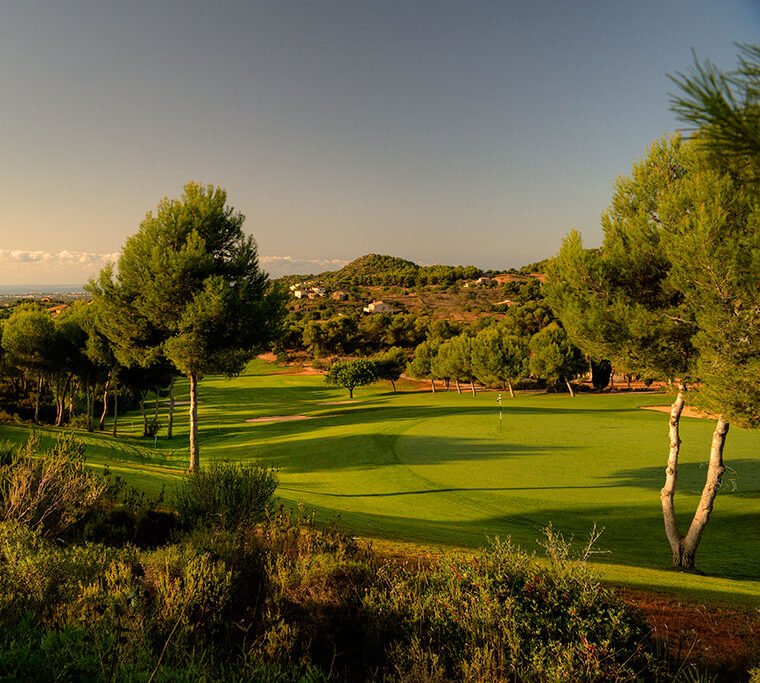


Club de Golf Alcanada
-
DIRECCIÓN
-
WEB
-
TELÉFONO
-
EMAIL
-
17/10/2026Mallorca Zeitung
-
29/10/2026 - 01/11/2026Grand Final 2026
-
08/11/2026Campeonato Baleares 12 hoyos
-
20/11/2026Follow the Pros

Golf de Andratx
-
DIRECCIÓN
-
WEB
-
TELÉFONO
-
EMAIL
-
17/10/2026GdA Early Bird Challenge
-
07/11/2026GdA Early Bird Challenge


Canyamel Golf

Capdepera Golf


Golf Maioris



Pula Golf Resort
-
DIRECCIÓN
-
WEB
-
TELÉFONO
-
EMAIL
-
23/11/2026 - 24/11/2026Campeonato Baleares Dobles de Profesionales
-
29/11/2026Torneo 31 Aniversario

Golf Santa Ponsa II

Golf Son Antem Este





Golf Son Servera
-
DIRECCIÓN
-
WEB
-
TELÉFONO
-
EMAIL
-
21/11/2026Final Circuito Junior 9 hoyos
-
21/11/2026Final Circuito Junior 18 hoyos
-
22/11/2026Son Servera Ladies
-
26/12/2026Torneo San Esteban

Son Termes
-
DIRECCIÓN
-
WEB
-
TELÉFONO
-
EMAIL
-
24/10/2026X Torneo de Golf Círculo Mallorquín
-
31/10/2026XIX Torneo de Golf Benéfico Vall de Soller

Golf Son Vida
-
DIRECCIÓN
-
WEB
-
TELÉFONO
-
EMAIL
-
29/11/20266th Golf Tournament Sheraton Mallorca Arabella Golf Hotel



Vall d’Or Golf
-
DIRECCIÓN
-
WEB
-
TELÉFONO
-
EMAIL
-
21/10/2026Miércoles Golf
-
28/10/2026Miércoles Golf
-
30/12/2026Miércoles Golf

ADN Golf (Club sin campo)
-
DIRECCIÓN
-
WEB
-
TELÉFONO
-
EMAIL
-
HORARIO
DE LUNES A SABADO DE 10 A 22 H -
¿CÓMO LLEGAR?

 Array
Andratx Golf Course
Array
Golf Santa Ponsa I
Array
Santa Ponsa II Golf Course
Array
Real Golf de Bendinat
Array
Son Muntaner
Array
Son Vida Golf
Array
Son Quint
Array
Palma Pitch & Putt
Array
Maioris Golf
Array
T Golf Palma
Array
Son Gual Golf
Array
Golf Son Antem West
Array
Golf Son Antem East
Array
Golf Pollença
Array
Alcanada Golf Club
Array
Vall d'Or Golf
Array
Pula Golf Resort
Array
Golf Son Servera
Array
Canyamel Golf
Array
Capdepera Golf
Array
Golf Son Parc (Menorca)
Array
Golf Ibiza
Array
Son Termes
Array
T Golf Calvia
Array
Andratx Golf Course
Array
Golf Santa Ponsa I
Array
Santa Ponsa II Golf Course
Array
Real Golf de Bendinat
Array
Son Muntaner
Array
Son Vida Golf
Array
Son Quint
Array
Palma Pitch & Putt
Array
Maioris Golf
Array
T Golf Palma
Array
Son Gual Golf
Array
Golf Son Antem West
Array
Golf Son Antem East
Array
Golf Pollença
Array
Alcanada Golf Club
Array
Vall d'Or Golf
Array
Pula Golf Resort
Array
Golf Son Servera
Array
Canyamel Golf
Array
Capdepera Golf
Array
Golf Son Parc (Menorca)
Array
Golf Ibiza
Array
Son Termes
Array
T Golf Calvia

Learn the rules
Referees



Territorial

Territorial
Territorial

Territorial

Territorial

Territorial

Territorial
Territorial

Territorial

Territorial
Territorial

Territorial

Territorial

Territorial
National - President of the FBG Rules and Referees Committee
Frequently Asked Questions
Rule 6.3a effectively states that the player must hole out with the same ball played from the teeing ground, but there are exceptions. The first is that if the ball is lost, logically, it can be replaced, but also if it is out of bounds, even if it can be recovered.
As a general rule, it can be said that whenever relief is taken under a Rule, a ball may be replaced. However, when a ball must be replaced at a spot, in general, the player is not allowed to replace the ball. As there are exceptions, it is recommended that Rule 6.3b be read.
In order to play a provisional ball, the original ball must be out of bounds or lost outside a penalty area.
Therefore, if your ball was heading toward the lake (a penalty area by definition), it could not have been lost outside the lake, so it is true that you could not play a provisional ball.
However, there are situations where a provisional ball can be played. Let's look at a couple of examples.
1) My tee shot goes toward an area that is not visible from the tee, and there may be a penalty area in this zone. Even so, if I am not sure that the ball may be lost outside the penalty area, not only can I play a provisional ball, but it is recommended.
2) My ball is heading toward a penalty area, but I notice that there is tall grass before the area where the ball may be lost. There should be 95% or more certainty that the ball is in the penalty area so that I cannot play a provisional ball. When you reach the spot, you must determine the possibility that the ball is in the penalty area or lost outside it, using the same percentage.
We recommend reading Clarification 18.3a/1.
– Well, yes. As if the Rule weren’t clear enough, there’s Clarification 16.1/1, which makes it absolutely clear:
For example, when taking relief from a sprinkler head (immovable obstruction) in the rough, the nearest point of full relief or relief area may be located on the fairway. If taking relief results in the player being able to drop a ball on the fairway, this is permitted.
Rule 12.2b establishes the restrictions on touching the sand in a bunker. Section (3) states that after the ball has been played and is out of the bunker, the player may touch the sand and smooth it with the rake, and this applies even if the player is required under the rules to take relief by dropping a ball in the bunker, which is the case presented here.
Rule 16.1c(2) gives us the answer. With a penalty stroke, the player may drop outside the bunker, keeping the original resting point between the hole and the point where the ball is dropped.
The solution depends on whether the ball moves before or after being lifted and replaced, see Rule 13.1d(2). If it moves before, the ball must be played from its new resting place. If it moves after being lifted and replaced, it must be replaced at the point from which it moved, which can be estimated. This applies not only to wind but to any natural cause.